
Best Puzzle Toys for Dogs: Interactive & Enrichment Toys That Actually Work
Is your dog bored? Discover the best puzzle toys for dogs that reduce boredom, anxiety, and destructive behavior. Learn how interactive dog toys provide mental stimulation and find top enrichment picks that actually work.
TOYS & ENRICHMENT
Furever Essential
4 min read
As an Amazon Associate, I earn from qualifying purchases at no additional cost to you. Links may be included in this post for your convenience.
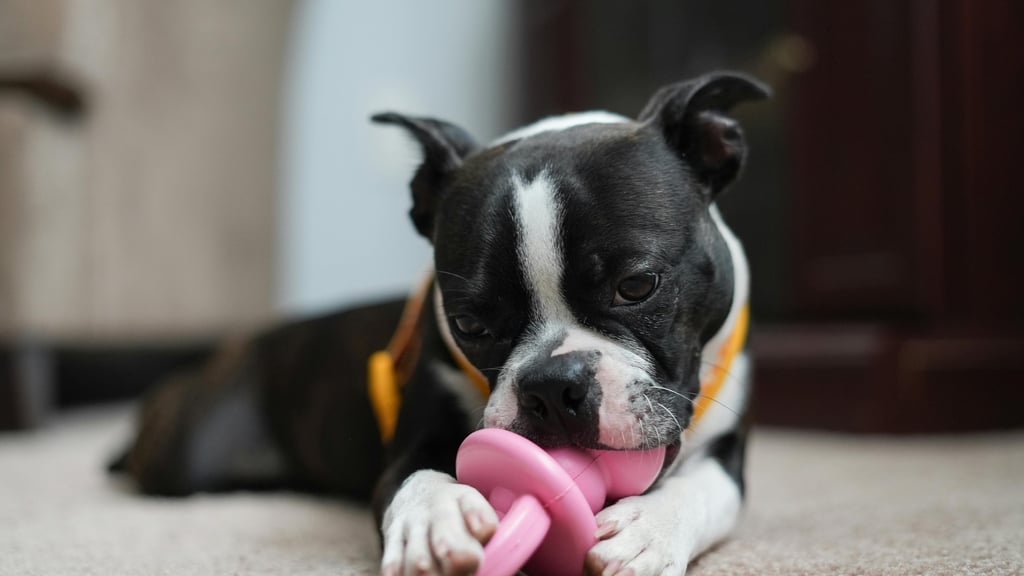

Top Toys for Dogs to Reduce Boredom & Anxiety — Best Picks + Science Behind Enrichment
If your dog is chewing furniture, digging at the carpet, barking nonstop, or getting destructive when left alone, the problem may not be lack of exercise.
It’s lack of mental stimulation.
Dogs were bred to herd, retrieve, guard, track, and problem-solve. Modern pet life — while comfortable — often removes those natural jobs. When dogs don’t have a constructive outlet for their brain power, they create their own entertainment.
That’s where puzzle toys and interactive dog toys come in.
In this complete guide, you’ll learn:
Why mental enrichment is essential for dogs
How puzzle toys work (the science behind them)
The best puzzle and interactive toys for different dog types
How to choose the right enrichment toy
How often to use puzzle toys
Common mistakes dog owners make
Let’s dive in!
Why Mental Stimulation Is Critical for Dogs
According to the American Kennel Club, mental exercise is just as important as physical activity for preventing behavioral problems.
A 30-minute walk may burn physical energy. But 15 minutes of problem-solving can exhaust your dog mentally.
Mental enrichment helps:
Reduce destructive chewing
Decrease separation anxiety
Prevent boredom barking
Slow down fast eating
Improve confidence in shy dogs
Reduce hyperactivity
Working and intelligent breeds like Border Collies, Australian Shepherds, German Shepherds, and Poodles especially need daily cognitive challenges.
Without them, behavior problems are almost guaranteed.
What Are Puzzle Toys for Dogs?
Puzzle toys are enrichment tools that require your dog to:
Manipulate objects
Search for hidden food
Solve simple problems
Work for rewards
Unlike traditional chew toys, puzzle toys engage your dog’s brain.
Puzzle toys each serve a slightly different purpose. Most fall into four main categories:
Treat-dispensing toys
Puzzle boards
Snuffle mats
Motion-activated interactive toys
The Science Behind Dog Enrichment Toys
Dog enrichment taps into three core instincts:
1. Foraging Instinct
In the wild, animals don’t eat from bowls. They search, sniff, and work for food. Treat-dispensing toys replicate this behavior, activating scent pathways and encouraging focus.
2. Problem-Solving Drive
Dogs enjoy solving challenges. Completing a puzzle releases dopamine — the reward chemical — which reinforces calm, focused behavior.
2. Chewing & Oral Stimulation
Chewing is naturally calming for dogs. Durable puzzle toys combine mental stimulation with soothing chewing behavior. This combination is why puzzle toys are so effective at reducing anxiety and boredom.
Best Puzzle Toys for Dogs (Ranked by Effectiveness)
Below are the categories that consistently deliver results.
1. Treat-Dispensing Toys (Best Overall Choice)
The gold standard in dog enrichment is the KONG Classic Dog Toy. Choose the size that fits your dog: X-Small, Small, Medium, Large XX-Large, or X-Large.
You can also try the KONG Stuff-A-Ball, available in sizes Small, Medium, or Large.
Why it works:
Hollow center for stuffing
Unpredictable bounce
Extremely durable rubber
Available in multiple sizes
Best for:
Heavy chewers
Separation anxiety
Crate training
Puppies
How to Choose the Right Size
Choosing the correct size is critical for safety and effectiveness. When in doubt, size up.
X-Small: < 5lbs
Small: 5–20 lbs
Medium: 15–35 lbs
Large: 30–65 lbs
X-Large: 60–90 lbs
XX-Large: > 85 lbs
How to Make a KONG Last 30–40 Minutes
To maximize mental stimulation, stuffing matters.
Easy Stuffing Ideas:
Xylitol-free peanut butter (freeze for longer play)
Plain Greek yogurt + banana
Wet dog food layered with kibble
Shredded chicken + small veggies
Kibble sealed with a smear of peanut butter
Freezing the toy increases difficulty and extends engagement time. This transforms a simple toy into a powerful enrichment session.
2. Advanced Puzzle Boards (Best for Smart Dogs)
Brands like Nina Ottosson (by Outward Hound) create multi-level puzzle boards designed specifically for canine problem-solving.
Dogs must:
Slide compartments
Lift flaps
Rotate panels
Push covers
These come in difficulty levels (Level 1–4).
Best for:
Intelligent breeds
High-energy dogs
Rainy-day indoor play
Dogs that master basic toys quickly
Start at Level 1 to prevent frustration.
3. Snuffle Mats (Best for Scent-Driven Dogs)
Snuffle mats encourage natural foraging behavior.
You hide kibble within layers of fabric strips, and your dog must sniff and search for it.
Benefits:
Slows fast eaters
Reduces bloating risk
Encourages scent work
Excellent anxiety reducer
Beagles, Bloodhounds, and other scent hounds especially thrive with snuffle mats.
4. Motion-Activated Interactive Dog Toys
These toys move unpredictably to stimulate chase behavior.
They are ideal for:
Apartment dogs
Dogs left alone during the day
High-energy breeds
Owners working from home
Look for:
Rechargeable options
Durable construction
Automatic shut-off features
Best Puzzle Toys for Puppies
Puppies need gentle introduction to enrichment.
Best Puzzle Toys for Aggressive Chewers
Avoid flimsy plastic toys.
Best Puzzle Toys for Anxious Dogs
Chewing and sniffing naturally reduce stress.
Best Puzzle Toys for Smart Dogs
These dogs get bored quickly. Rotate toys weekly.
Signs Your Dog Needs More Mental Stimulation
If your dog:
Chews furniture
Destroys pillows
Barks at nothing
Licks obsessively
Gets hyper at night
Seems restless after walks
You likely need to increase enrichment.
How Often Should Dogs Use Puzzle Toys?
For most dogs:
10–20 minutes daily
1–2 enrichment sessions
Rotate toys every 5–7 days
Consistency matters more than intensity.
Common Mistakes Dog Owners Make
1. Starting Too Difficult
Dogs need success early to stay motivated.
2. Not Rotating Toys
Familiarity reduces challenge.
3. Leaving Difficult Toys Unsupervised
Supervise until you understand your dog’s interaction style.
4. Overfeeding Through Treat Toys
Adjust meal portions accordingly.
Are Puzzle Toys Enough Exercise?
No. They complement physical activity but do not replace walks.
The best formula:
Daily walk
Short training session
Puzzle enrichment session
This combination creates a calm, balanced dog.
Final Thoughts: Do Puzzle Toys Really Work?
Yes — when used correctly.
The right puzzle toy can:
Reduce destructive behavior
Lower anxiety
Improve focus
Strengthen your bond
Create a calmer household
A mentally tired dog is often more satisfied than a physically exhausted one. If your dog struggles with boredom, enrichment toys are not optional — they’re essential.
FAQ Section:
Are puzzle toys good for dogs?
Yes. Puzzle toys provide mental stimulation, reduce boredom, and can decrease destructive behavior when used consistently.
How long should dogs play with puzzle toys?
Most dogs benefit from 10–20 minutes per session, once or twice daily.
Do puzzle toys reduce separation anxiety?
They can help by redirecting focus and encouraging calm chewing behavior, especially treat-dispensing toys.
What is the best puzzle toy for smart dogs?
Multi-level puzzle boards and adjustable treat-dispensing toys are best for intelligent breeds.