
Managing Sensitive Stomachs in Cats: Symptoms and Relief
Vomiting, diarrhea, or hairball issues? Learn the signs of a sensitive stomach in cats, common causes, and how to choose food that supports digestion.
PET NUTRITION
Furever Essential
2 min read
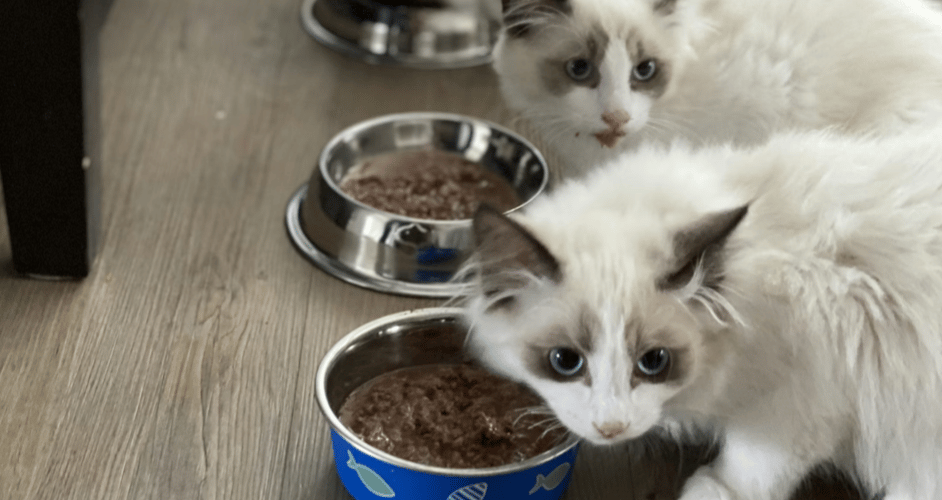

A Guide to Supporting Your Cat’s Sensitive Stomach
If your cat regularly vomits, has loose stools, or struggles with frequent hairballs, it can be hard to tell what’s normal — and what isn’t. Digestive sensitivity in cats often shows up subtly, which is why many issues go unnoticed for longer than they should.
A sensitive stomach doesn’t mean your cat is unhealthy. In many cases, it simply means their digestive system doesn’t tolerate certain ingredients or feeding patterns well. This guide will walk you through the common signs of a sensitive stomach in cats, what causes it, and how food choices can make a real difference.
What Does “Sensitive Stomach” Mean in Cats?
A sensitive stomach isn’t a diagnosis — it’s a pattern of digestive upset that happens repeatedly, often after eating.
Common signs include:
Frequent vomiting or regurgitation
Loose stools or diarrhea
Excessive hairballs
Gas or bloating
Decreased appetite or food refusal
Because cats are good at hiding discomfort, even occasional symptoms can signal an underlying sensitivity.
Common Causes of Digestive Sensitivity in Cats
Protein Sensitivities
Cats are obligate carnivores, but that doesn’t mean they tolerate every protein equally. Chicken, beef, and fish are common triggers for sensitive cats, especially when multiple proteins are combined in one food.
Some cats do better with:
turkey
duck
rabbit
lamb
Fat Levels
Very rich or high-fat foods can overwhelm a sensitive feline digestive system, leading to vomiting or loose stools.
Ingredient Quality & Processing
Highly processed foods, artificial additives, and vague ingredient sourcing can be harder for sensitive cats to digest. Many cats respond better to foods with clearly named proteins and fewer fillers.
Sudden Food Changes
Cats are particularly sensitive to abrupt diet changes. Even a high-quality food can cause digestive upset if introduced too quickly.
Ingredients That Are Often Easier for Cats to Digest
Protein sources often well tolerated:
Turkey
Duck
Rabbit
Lamb
Helpful additions:
Pumpkin (gentle fiber)
Probiotics (gut support)
As an Amazon Associate, I earn from qualifying purchases at no additional cost to you. Links may be included in this post for your convenience.
Some cats do better on limited-ingredient formulas designed for digestive sensitivity. Foods like Natural Balance Limited Ingredient and Blue Buffalo Tastefuls, Sensitive Stomach are often used as a gentle starting point when transitioning.
Ingredients to Be Cautious About
Unnamed meat by-products
Foods with multiple protein sources
Artificial colors or flavor enhancers
Excessive plant fillers
For sensitive cats, simpler ingredient lists usually work best.
How to Transition Cat Food Safely
Cats need slow transitions — often slower than dogs.
A 10–14 day transition is ideal:
Days 1–4: 75% old / 25% new
Days 5–8: 50% old / 50% new
Days 9–12: 25% old / 75% new
Day 13+: 100% new food
If vomiting or diarrhea appears, slow down or pause at the current ratio.
When Food Isn’t the Only Factor
Digestive issues in cats can also be linked to:
hairball blockages
stress or anxiety
parasites or illness
Persistent or severe symptoms should always be evaluated by a veterinarian.
Choosing the Right Food Going Forward
Many commercial cat foods are formulated specifically for sensitive digestion, often using limited ingredients and moderate fat levels. Be sure to read the labels and ingredients when choosing the best food for your furry feline's sensitive digestion.
Some sensitive-stomach cat foods like Hill's Science Diet Sensitive Stomach & Skin are commonly used when digestive issues persist despite careful transitions.
Final Thoughts
A sensitive stomach doesn’t mean something is “wrong” with your cat — it means their digestion needs more thoughtful support. With the right ingredients and a slow transition, many cats experience fewer digestive issues and better overall comfort.
The next step is learning how to read a cat food label, which is where many owners accidentally choose foods that worsen digestive problems.