
Signs of a Sensitive Stomach in Dogs and How to Help
Does your dog suffer from intermittent diarrhea, excessive gas, or a lack of appetite? These could be signs of a sensitive stomach in dogs. Learn how to identify common symptoms, causes, and how to choose food that supports digestion.
PET NUTRITION
Furever Essential
2 min read
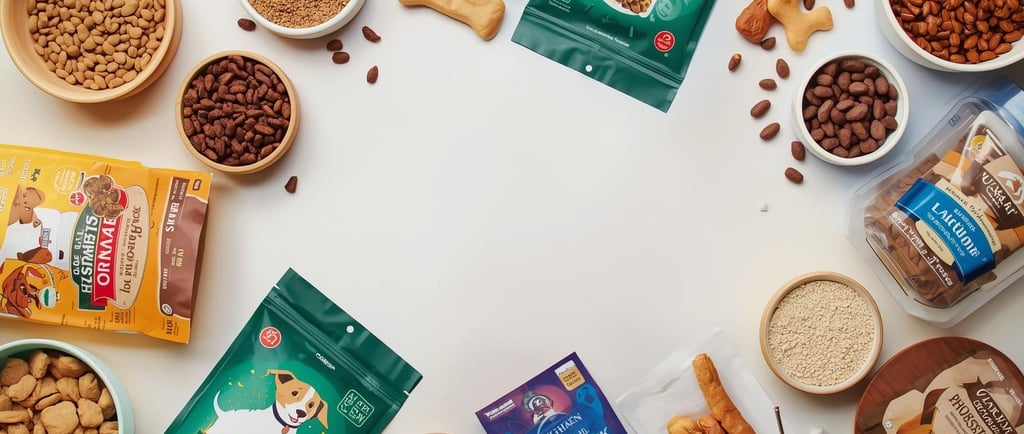
Identifying and Treating a Sensitive Stomach in Dogs
If your dog regularly struggles with digestive issues — loose stools, vomiting, excessive gas, or picky eating — you’re not alone. A sensitive stomach is one of the most common reasons dog owners start questioning their food choices.
The good news? Many digestive sensitivities can be managed with the right food, ingredients, and feeding habits. This guide will help you understand the signs, causes, and practical food tips for dogs with sensitive stomachs.
What Does “Sensitive Stomach” Mean in Dogs?
A sensitive stomach isn’t a medical diagnosis. It’s a pattern of digestive reactions that happen repeatedly, often in response to certain foods or feeding changes.
Common symptoms include:
Loose or inconsistent stools
Frequent gas or bloating
Vomiting after meals or in the morning
Mild stomach noises or discomfort
Sudden refusal to eat certain foods
Common Causes of Digestive Sensitivity
Protein Sensitivities
Chicken and beef are common triggers for sensitive dogs. Some dogs do better with novel proteins like salmon, lamb, or turkey.
Fat Content
High-fat foods can be harder to digest, especially for small or older dogs. Moderation is key.
Ingredient Quality & Processing
Dogs with sensitive digestion often tolerate simpler formulas with fewer additives and clearly named proteins.
Sudden Food Changes
Abrupt switches can upset even a healthy gut. A gradual transition is essential (we’ll cover this below).
Ingredients That Are Often Easier to Digest
Easier Protein Sources: Salmon, lamb, turkey, whitefish
Gentle Carbs: Rice, oats, sweet potato
Helpful Additions: Pumpkin, beet pulp, probiotics
Some dogs do better on limited-ingredient formulas designed for sensitive digestion. Foods like Natural Balance Limited Ingredient are often a gentle starting point.
Ingredients to Be Cautious About
Unnamed meat meals (“meat meal”)
Multiple protein sources combined
Artificial colors or flavorings
Excessive fillers
How to Transition Dog Food Safely
A gradual transition over 7–10 days helps prevent digestive upset:
Days 1–3: 75% old / 25% new
Days 4–6: 50% old / 50% new
Days 7–9: 25% old / 75% new
Day 10: 100% new
If loose stools appear, slow the transition. Patience is critical.
When Food Might Not Be the Only Issue
Sometimes digestion issues stem from parasites, stress, or underlying conditions. If symptoms persist or worsen, a veterinarian should be consulted.
Choosing the Right Food Going Forward
Many commercial dog foods are formulated for sensitive digestion, focusing on limited ingredients, moderate fat, and single protein sources.
For example, you might consider foods like Blue Buffalo True Solutions Digestive Care and Purina Pro Plan Sensitive Skin and Stomach that are often recommended for sensitive stomachs.
Conclusion
Digestive sensitivity is manageable with the right approach. Understanding causes, selecting gentle ingredients, and transitioning foods properly can improve comfort, stool consistency, and overall well-being.
The next step is learning how to read a dog food label, which is crucial for avoiding hidden triggers.
As an Amazon Associate, I earn from qualifying purchases at no additional cost to you. Links may be included in this post for your convenience.